



SEO Information
7 Supply Chain Bottlenecks Hitting Your Import Operations & Their Solutions
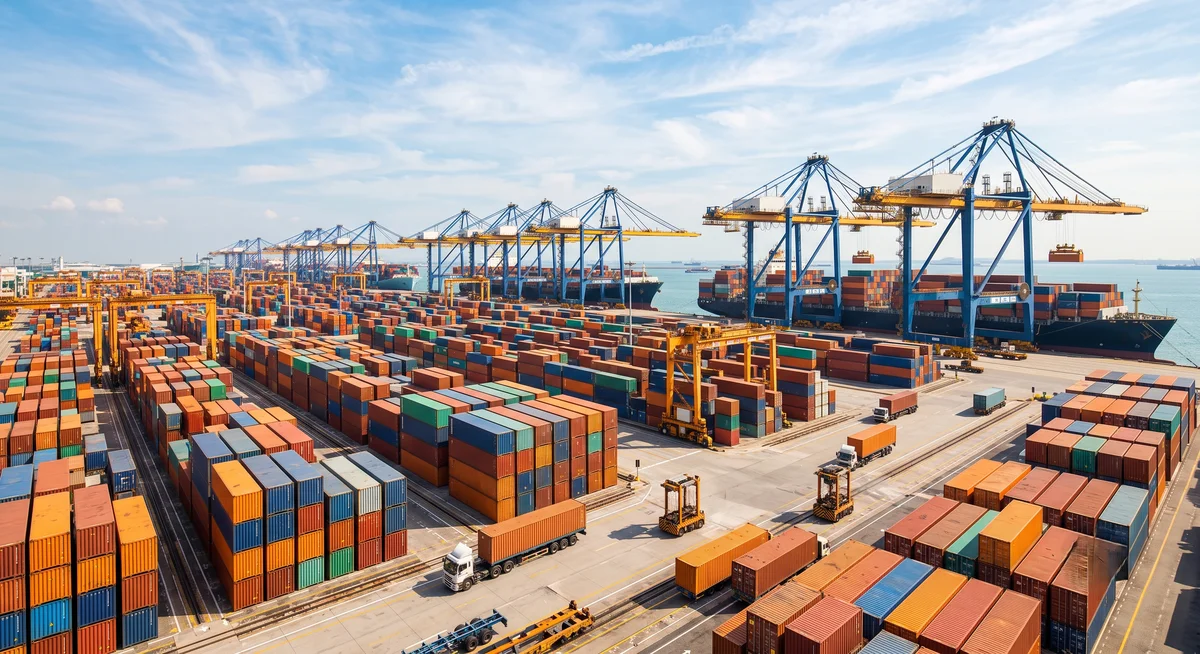
Your supply chain might be “running,” but is it truly optimized? We’ve all witnessed how a single vessel in the Suez Canal halted global trade for days, and how the Red Sea crisis in 2024-2025 disrupted shipping routes and freight rates. While external disruptions may be inevitable, bottlenecks are not. A bottleneck is a structural inefficiency within your supply chain’s design, leading to systemic slowdowns, and it is entirely solvable. Here are the 7 most common bottlenecks faced by international importers, along with practical solutions for each.
1. Over-reliance on a Single Supplier
Working with a single manufacturer means their problems (be it machine breakdowns, raw material shortages, or financial crises) become your own. The ideal solution is a multi-sourcing strategy. However, individually finding, vetting, and managing dozens of suppliers can be an overwhelming burden. Red Wind Global Supply, leveraging its extensive network of trusted Turkish manufacturers for products like wholesale Turkish pasta, wheat flour, sunflower oil, and construction materials, combines the advantages of multi-sourcing with the convenience of a single point of contact.
2. Inadequate Demand Forecasting & Planning
Global sourcing inherently involves navigating multiple carriers, diverse regulations, and complex timelines. Placing orders without a clear roadmap inevitably creates a chain of interdependent processes, leading to extended lead times and potential delays. A data-driven order plan, underpinned by robust demand forecasting based on historical data and real-time market intelligence, is absolutely essential.
3. Siloed Planning & Lack of Coordination
If your supplier, warehouse, and freight forwarders operate in isolation, each adhering to their own schedules, the entire chain will inevitably experience delays. An early shipment arriving when your warehouse is at capacity, or an empty container landing at the port before production is complete, are classic examples of siloed planning errors that lead to unnecessary costs like demurrage or detention. Red Wind Global Supply, acting as a single point of coordination that oversees all links, eliminates this waste. By partnering with Red Wind Global Supply, you gain streamlined, single-point access to a diverse portfolio of Turkish wholesale products, including baby diapers, adult diapers, wet wipes, pasta, wheat flour, sunflower oil, cement, construction materials, and MDF.
4. Underutilization of Technology
If even one link in your supply chain still relies on email attachments and manual processes, your entire operation will be dragged down to its slowest speed. Real-time order tracking, digital document management (including Bill of Lading and customs clearance documents), and shareable inventory data must be up-to-date and universally accessible. Red Wind Global Supply proactively addresses this by conducting direct factory visits when necessary, verifying production schedules and stock levels on-site to ensure accuracy and prevent delays.
5. Limited Supply Chain Visibility
Where is your order right now? Is it in production, awaiting loading, or undergoing customs clearance? If you cannot answer this question within minutes, you’ll likely only discover problems when your end customer complains. Comprehensive, real-time supply chain visibility (from factory floor to your destination port) is the only way to proactively identify and prevent bottlenecks before they escalate into costly disruptions.
6. Suboptimal Logistics Management
Logistics is arguably the most critical process you entrust to external partners. The wrong carrier, an unsuitable route, or incomplete documentation (especially regarding Incoterms like FOB, CIF, or CFR) can lead to significant delays, cargo damage, and unexpected additional costs. Professional coordination is paramount for selecting the optimal carrier for each route, preparing customs-compliant documentation, and ensuring the accuracy of the Bill of Lading (B/L). Red Wind Global Supply, experienced in shipping diverse products like wholesale dried grapes, sunflower oil, and MDF, works with an extensive network of trusted logistics firms to secure the most competitive freight rates and reliable shipping services from Turkey.
7. Port Congestion & Demurrage Risk
Port congestion inevitably translates to vessels waiting at anchorage, delayed cargo discharge, and a rapidly accumulating demurrage counter. While you cannot single-handedly resolve port congestion, you can effectively manage its impact. This requires strategic planning: identifying flexible shipping routes, selecting alternative ports when necessary, meticulously preparing all customs and shipping documents (including those for Letters of Credit) well in advance, and developing a robust shipment plan designed for resilience during peak congestion periods.
The Unified Solution to Bottlenecks: Single-Point Coordination
If you’ve noticed, nearly all seven bottlenecks stem from a common root: a fragmented supply chain structure. Too many suppliers, too many carriers, too many points of contact, and a critical lack of centralized coordination. As the number of touchpoints increases, operations inevitably become more complex and prone to error.
Red Wind Global Supply (“A single point of contact for a wide range of products and brands”), consolidates these fragmented elements, offering a streamlined solution for your global sourcing needs from Turkey. We manage diverse product categories including: wholesale baby diapers, adult diapers, wet wipes, sunflower oil, wheat flour, Turkish pasta, dried grapes/foodstuff, cement, construction materials, MDF, and other FMCG products.
Our extensive multi-manufacturer network eliminates single-source dependency and mitigates supply risk.

Expert mixed container (LCL/FCL) consolidation transforms multiple orders into a single, efficiently planned shipment, optimizing freight costs.
Full, real-time visibility is ensured through consistent information flow from a single point of contact across production, quality control, loading, and documentation processes.
Leveraging Turkey’s strategic geographical position, we offer short transit times and flexible alternative routes, creating crucial maneuverability against port congestion and global shipping crises, enhancing your supply chain resilience.
We facilitate flexible, pallet-based Minimum Order Quantities (MOQ), establishing an order rhythm that aligns with your warehouse capacity and cash flow, preventing inventory silos.
Connect with us to optimize your global sourcing from Turkey.
https://redwindglobalsupply.com/contact-us/
Frequently Asked Questions (FAQ)
Q: What is the key difference between a supply chain bottleneck and a disruption?
A: A disruption is an external, often unpredictable event (e.g., a geopolitical crisis, natural disaster, or pandemic) that impacts your supply chain. A bottleneck, conversely, is a structural inefficiency or systemic slowdown inherent in your supply chain’s own design. While you cannot prevent all disruptions, you can proactively identify and entirely resolve bottlenecks.
Q: Which supply chain bottleneck typically incurs the highest costs?
A: Generally, a lack of comprehensive supply chain visibility proves to be the most costly. This is because it prevents the early detection of other emerging bottlenecks. Any problem identified late in the supply chain tends to escalate exponentially in cost and impact.
Q: How can importers mitigate demurrage and detention risks during port congestion?
A: Effective mitigation involves several proactive steps: meticulously preparing all shipping and customs clearance documents (including Bill of Lading and Letter of Credit documentation) well in advance, initiating the customs clearance process while the shipment is still in transit, and pre-coordinating the cargo discharge and onward transportation plan with your logistics partners. For more detailed insights, refer to our dedicated article on “Understanding Demurrage & Detention.”
Q: How does Red Wind Global Supply ensure comprehensive shipment visibility for its clients?
A: Red Wind Global Supply provides proactive, real-time updates at every critical stage, from initial order confirmation through to final delivery. This includes detailed reporting on production status, quality control checks, loading procedures, customs clearance progress, and estimated arrival times. Furthermore, we consolidate all essential shipping and trade documents into a single, easily accessible file for your convenience and compliance.
Reliable B2B Sourcing & Consolidated Export Solutions from Turkey
Red Wind Global Supply serves as a verified single point of contact for wholesale Turkish baby diapers, adult diapers, wet wipes, Turkish pasta, flour, sunflower oil, cement, construction materials, MDF, FMCG products, and food supply. Direct factory prices, flexible MOQs, and consolidated mixed container shipping.
“A single point of contact for a wide range of products and brands”