



Supply Chain Resilience: Building a Crisis-Ready Supply Chain
Imagine two importers facing the same crisis. One relies on a single supplier, a sole shipping route, and operates with zero inventory. The other leverages multiple sourcing partners, nearshore geographies, and flexible, pallet-based orders. The first manages empty shelves throughout the crisis, while the second gains market share from competitors. The difference? Supply chain resilience.
Resilience is an organization’s ability to absorb disruptions within its supply chain without significant damage and to recover swiftly. Research indicates that only one-fifth of global businesses possess a truly resilient supply chain, underscoring that resilience remains a significant competitive advantage for international importers and procurement managers.
The 5 Most Common Supply Chain Disruptions
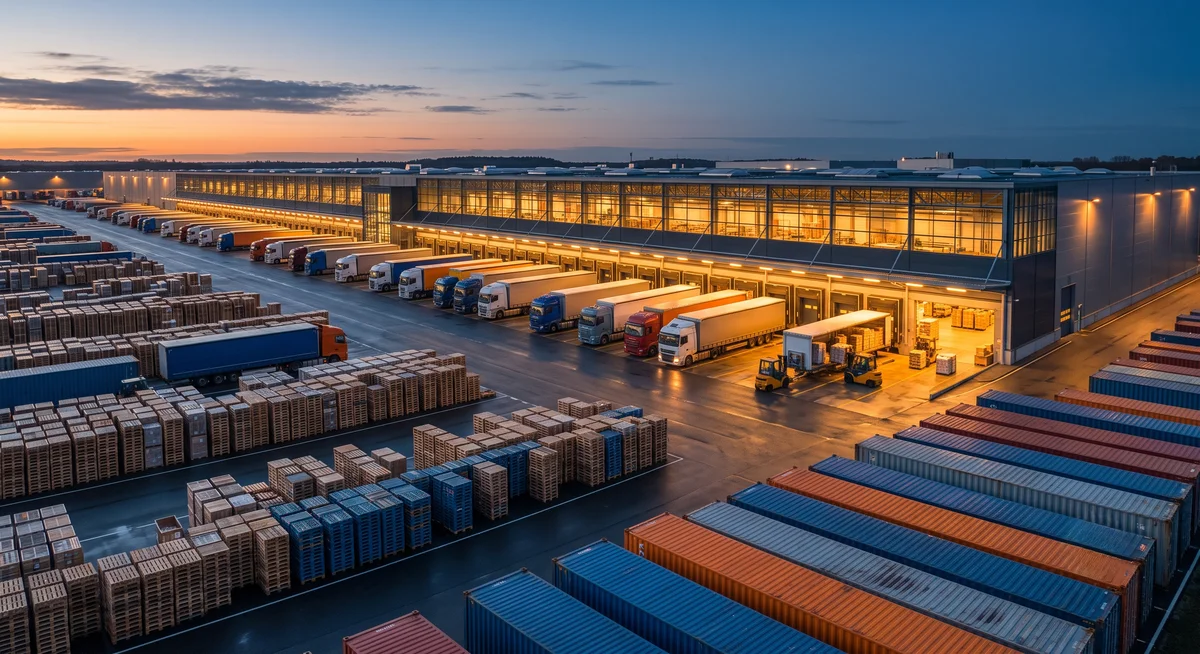
1. **Demand Surges:** Being caught without sufficient inventory during unexpected spikes in demand is a common disruption. Unmet demand often translates into permanent customer loss and missed revenue opportunities.
2. **Raw Material Shortages:** Disasters, geopolitical tensions, or seasonal production dips can abruptly constrain the supply of critical inputs, impacting lead times and production schedules for products like Turkish wheat flour or sunflower oil.
3. **Geopolitical Tensions:** Sanctions, trade wars, or tariff adjustments in single-country sourcing networks can instantly break a supply chain, leading to unforeseen costs and delays in customs clearance.
4. **Sudden Shocks:** Natural or man-made disasters (e.g., earthquakes, pandemics) are short-term but prove extremely costly for those unprepared, causing significant demurrage and detention charges or even loss of goods.
5. **Logistics Delays:** Port congestion, route disruptions (like the 2024-2025 Red Sea crisis), and capacity issues can severely impact shipping schedules, leading to extended lead times and higher freight costs, regardless of Incoterms like FOB or CIF.
3 Core Characteristics of a Resilient Supply Chain
1. Agility & Flexibility
The ability to rapidly reallocate resources. By leveraging multiple suppliers, standardized processes, and redundant capacity, single points of failure are eliminated. This ensures continuity even if one source for wholesale Turkish pasta or cement faces issues.
2. Proactive Management & Culture
Managing the supply chain not on autopilot, but with an accountable and proactive team. A team that understands strategic objectives can make swift, correct decisions during a crisis, ensuring smooth operations from L/C processing to Bill of Lading (B/L) issuance.
3. Pre-Planned Strategies
A crisis plan isn’t written during a crisis. Scenarios, alternative suppliers (e.g., for baby diapers or construction materials), and action plans must be prepared, tested, and periodically updated in advance to mitigate risks effectively.
7 Proven Strategies for Supply Chain Resilience
1. **Strategic Buffer Stocks:** Maintain safety stock for critical products. The cost of an empty shelf, leading to lost sales and customer dissatisfaction, almost always outweighs the warehousing cost. This is crucial for high-demand FMCG products or essential foodstuff like dried grapes.
2. **Diversified Production Sourcing:** Source from different regions and manufacturers to break dependence on a single origin. For example, sourcing wholesale Turkish pasta from multiple producers across Turkey.
3. **Supply Chain Optimization:** Efficiency and resilience must be designed together. Avoid the trap of a lean but fragile supply chain that collapses under pressure. Balance cost-effectiveness with robust risk management.
4. **Nearshoring:** Geographically shorten your supply chain. For markets in Europe, the Gulf, and North Africa, Turkey is a natural nearshoring hub, offering short transit times, competitive freight costs (FOB, CIF, CFR), and similar time zones. This is ideal for sourcing construction materials like cement or MDF.
5. **Multi-Sourcing Strategy:** Establish active relationships with multiple manufacturers capable of supplying the same product. At Red Wind Global Supply, we mitigate supplier crises by working with a network of diverse Turkish pasta manufacturers, baby diaper producers, sunflower oil refineries, and wheat flour mills, all with pre-vetted and analyzed production capacities. This ensures consistent supply and competitive MOQs.
6. **Standardized Processes:** Standardize product specifications, documentation (e.g., B/L, L/C requirements), and quality control processes to ensure seamless supplier transitions. Red Wind Global Supply partners with manufacturers adhering to similar quality standards and certifications, ensuring our Plan B and C options are always ready.
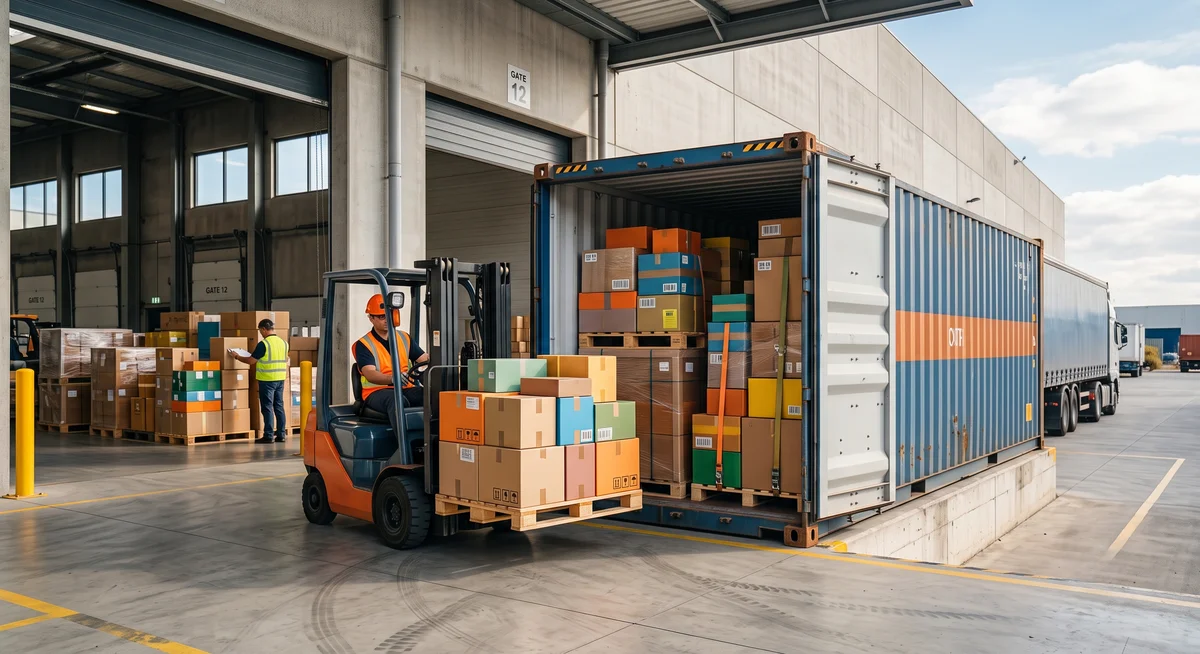
7. **Collaborative Ecosystems:** Build trust-based, long-term partnerships with suppliers and buyers. In a crisis, this relationship capital is what prioritizes your orders. At Red Wind Global Supply, our close relationships with Turkish manufacturers of FMCG products, wet wipes, and adult diapers ensure preferential treatment and reliable supply during challenging times.
Built-in Resilience with Red Wind Global Supply
If you’re thinking, “I don’t have the budget or the team to build a multi-supplier network, maintain buffer stocks, and develop alternative plans,” you’re right to be concerned. The smart strategy is to integrate into the established network of a sourcing partner who has already built this robust infrastructure.
Red Wind Global Supply, “A single point of contact for a wide range of products and brands” transforms supply chain resilience into a ready-to-deploy system for your business:
Our extensive network of Turkish manufacturers for baby diapers, pasta, sunflower oil, wheat flour, and other sectors makes multi-sourcing standard. If one producer faces a disruption, an alternative is immediately activated, ensuring consistent lead times and product availability.
Our mixed container model allows you to consolidate multiple products and brands in a single shipment. This provides flexible responses to demand fluctuations, optimizes freight costs (FOB, CIF, CFR), and reduces your overall inventory holding.
With pallet-based, low Minimum Order Quantities (MOQ), you can manage your safety stock in smaller batches, preserving your working capital while maintaining supply chain resilience.
Short transit times from Turkey mean your order cycle is measured in days, not weeks. This significantly shortens your crisis response time, minimizes demurrage risks, and keeps your shelves stocked with essential FMCG products or construction materials.
Prepare for the next crisis today. Transition to an agile, diversified, and nearshore supply chain with Red Wind Global Supply, your strategic sourcing partner in Turkey. Send us your product list; we’ll provide a resilient sourcing plan and competitive pricing within 48 hours!
Frequently Asked Questions (FAQ)
Q: Does nearshoring truly reduce overall costs?
A: While the unit price might sometimes appear higher than from the Far East, when you factor in freight costs (FOB, CIF, CFR), inventory carrying costs, currency exchange risks, and the expenses of potential delays (demurrage & detention), the total cost of ownership (TCO) often shifts in favor of sourcing from Turkey for most product categories, including wholesale Turkish pasta, cement, or baby diapers.
Q: How can smaller importers finance buffer stock?
A: Through pallet-based orders and flexible Minimum Order Quantities (MOQ). Instead of committing to full container loads, working with frequent, smaller batches provides the necessary buffer while preserving your cash flow. This is a key advantage when sourcing diverse FMCG products.
Q: How does Red Wind Global Supply respond to demand surges?
A: We rapidly shift capacity among our network of vetted Turkish manufacturers, consolidate your urgent needs into a single mixed container shipment, and leverage short transit times from Turkey to get your products (e.g., sunflower oil, wet wipes, construction materials) onto your shelves ahead of competitors.
Reliable B2B Sourcing & Consolidated Export Solutions from Turkey
Red Wind Global Supply serves as a verified single point of contact for wholesale Turkish baby diapers, adult diapers, wet wipes, Turkish pasta, flour, sunflower oil, cement, construction materials, MDF, FMCG products, and food supply. Direct factory prices, flexible MOQs, and consolidated mixed container shipping.
“A single point of contact for a wide range of products and brands”